The True Cost of Long-Term Property Financing

A loan that feels affordable on a monthly basis can still become one of the most expensive decisions a property owner makes. Long-term property financing spreads costs over decades, which often softens immediate impact while quietly increasing total financial exposure. Many buyers evaluate financing by comparing interest rates or monthly installments. Fewer step back to … Read more
Common Financing Mistakes That Increase Mortgage Costs

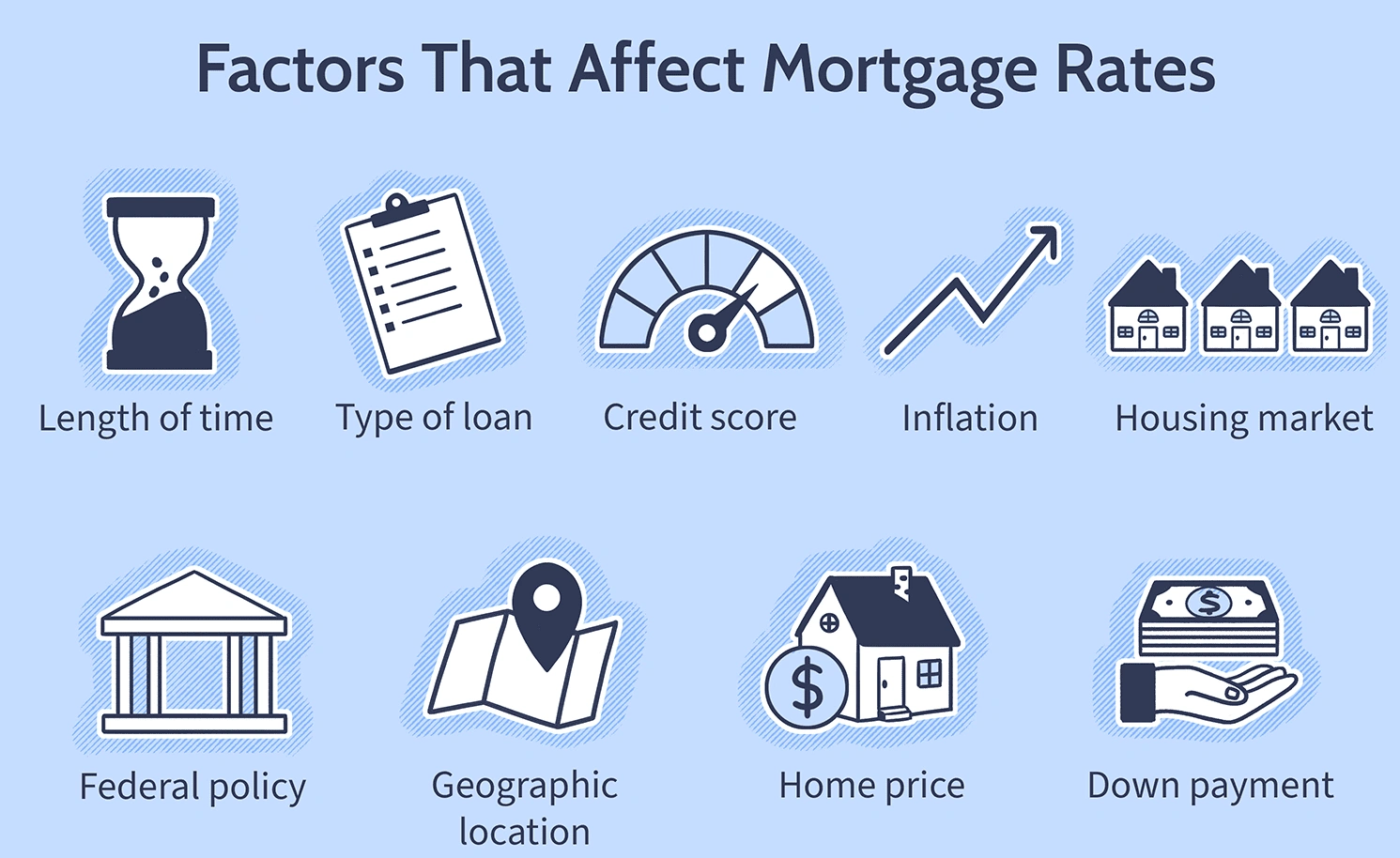
Higher mortgage costs usually do not come from choosing the “wrong” property. They emerge gradually from financing decisions that appear harmless at the beginning: a rate structure that feels flexible, a fee that seems small, or an assumption that refinancing will always be available later. Mortgage financing is a long-term cost commitment. Small structural mistakes … Read more

Fixed vs Variable Payments in Property Loans

Loan payments can shape a property investment more than the property itself. A building may perform well, tenants may pay on time, yet financing choices quietly determine whether ownership feels manageable or constantly stressful. Some borrowers prioritize certainty, locking payments for years ahead. Others accept uncertainty in exchange for potentially lower costs. The decision between … Read more

How Credit Score Influences Property Loan Approval

Many borrowers assume that stable income or a sizable down payment is the decisive factor in property loan approval. Yet lenders often form their first and strongest impression long before reviewing property details — through a borrower’s credit score. A credit score condenses years of financial behavior into a single risk signal. It does not … Read more

Understanding Loan-to-Value Ratio in Real Estate Financing

A small change in financing ratios can alter borrowing costs, approval terms, and long-term flexibility more than many buyers realize. Loan-to-value is often mentioned briefly during financing discussions, yet it plays a decisive role in how lenders price risk and how investors experience financial pressure over time. Rather than being a technical footnote, this ratio … Read more

How Mortgage Interest Affects Total Property Cost

Two buyers can purchase the same property at the same price, yet end up paying dramatically different total amounts over time. The difference rarely comes from negotiation skill. It comes from how mortgage interest accumulates across years of ownership. Mortgage interest is often treated as a background detail — a percentage quoted at approval, a … Read more

Operational Costs That Reduce Commercial Property Profits

Commercial properties seldom fail because rental income collapses overnight. More often, profitability erodes quietly as operating costs creep upward year after year. Individually, these expenses may seem manageable. Collectively, they can materially weaken net operating income and distort long-term return expectations. Many buyers focus heavily on rent potential and headline yields while underestimating how operational … Read more

How Professional Investors Assess Property Value

A property can sell at a high price and still be a poor investment. Professional investors understand this distinction early: transaction prices reflect market sentiment at a moment in time, while value reflects how an asset performs across uncertainty. Unlike casual buyers, professional investors rarely ask whether a property is “cheap” or “expensive.” Their primary … Read more

Asset Appreciation Factors in Premium Real Estate

Not all real estate appreciates for the same reasons. A premium asset can outperform the broader market even when general price growth slows, while a seemingly similar property nearby may stagnate for years. This divergence is rarely accidental. In high-end real estate, appreciation is less about general market momentum and more about structural advantages that … Read more