Why Cash Flow Stability Matters More Than Property Size

A larger property often looks more impressive on paper. More square footage, higher headline rent, and greater perceived status can make an acquisition feel like a meaningful step forward. Yet many experienced investors learn — sometimes the hard way — that property size does not determine financial strength. What determines survivability is cash flow stability. … Read more

Evaluating Tenant Quality in Commercial Real Estate

Commercial properties often look attractive on paper when leased to recognizable names or fully occupied buildings. Yet history shows that stable-looking rent streams can deteriorate quickly when tenant quality is misunderstood or overestimated. Tenant quality is not about brand recognition or headline rent alone. It reflects a tenant’s financial durability, operational stability, and ability to … Read more

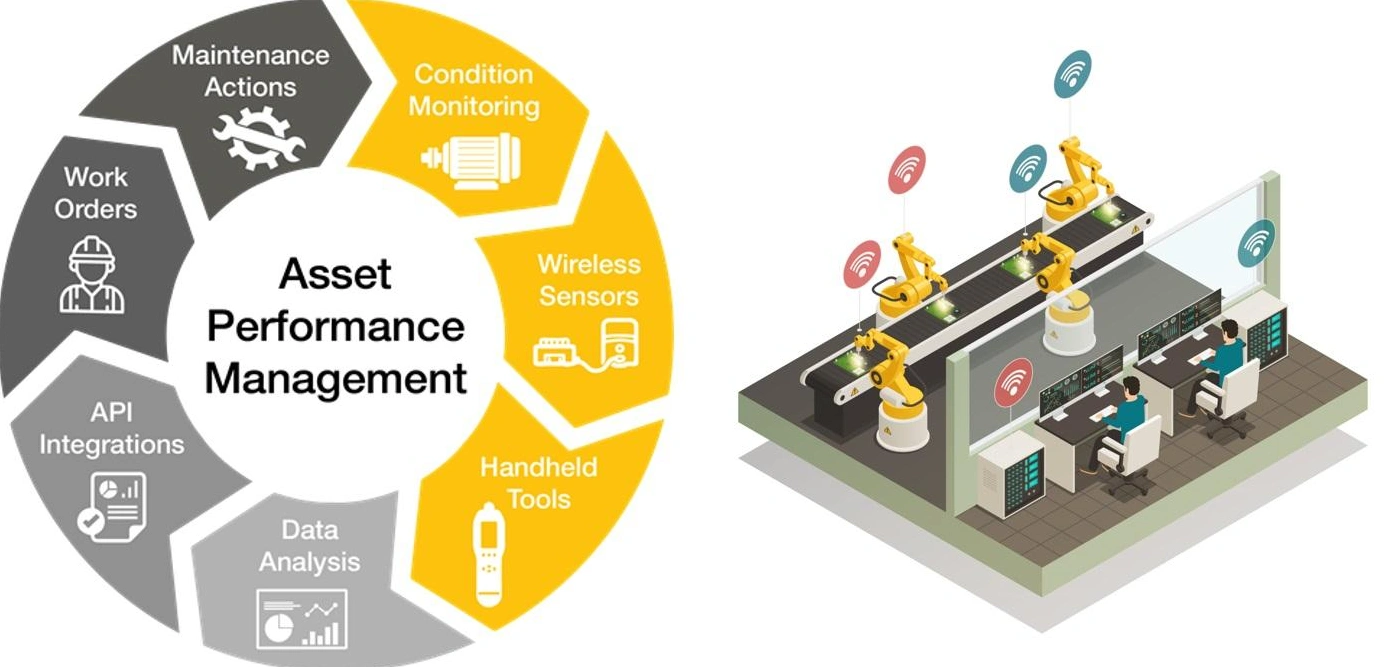
How Property Management Affects Asset Performance

When a property underperforms, many owners first blame the market. Rent growth slows, expenses rise, or tenant turnover increases. Yet closer inspection often reveals a different cause: weak property management quietly eroding performance long before any market shift becomes visible. Property management rarely changes headlines, but it directly controls the daily decisions that shape cash … Read more

Due Diligence Steps for Large Property Transactions

Large property transactions rarely collapse because the asset is fundamentally worthless. More often, problems emerge months or years later, traced back to assumptions that were never properly tested during the review phase. At scale, real estate decisions involve layered risks: financing exposure, legal obligations, operating cost uncertainty, and market assumptions that may not hold across … Read more

How Location Functions Differently in Commercial Property

In residential property, location is often discussed in terms of lifestyle: schools, neighborhoods, and perceived desirability. In commercial property, location functions very differently. A site can be visually unremarkable yet financially resilient, while a prestigious address can struggle to sustain tenants. What matters in commercial real estate is not how a location looks, but how … Read more

What Drives Pricing in Luxury Real Estate

In many housing markets, pricing can often be explained by comparables, interest rates, and affordability thresholds. Luxury real estate does not always behave this way. Two properties with similar size and location can differ dramatically in price — even when rental income or replacement cost offers little justification. This disconnect leads many buyers to assume … Read more

Risk Management in High-Value Property Investments

High-value property investments rarely fail because of one dramatic mistake. More often, problems emerge because multiple risks were quietly concentrated into a single asset: leverage assumptions, tenant dependence, regulatory exposure, and illiquidity — all tied to a large capital commitment. At higher price points, small percentage changes translate into meaningful absolute losses. Financing terms become … Read more

Understanding Lease Structures in Commercial Real Estate

In commercial real estate, two buildings with identical prices can produce very different financial outcomes. The difference is often not location or design, but the lease structure governing who pays for what — and when. Beginners frequently treat leases as standard contracts with fixed rent and minor clauses. In reality, lease structures in commercial real … Read more

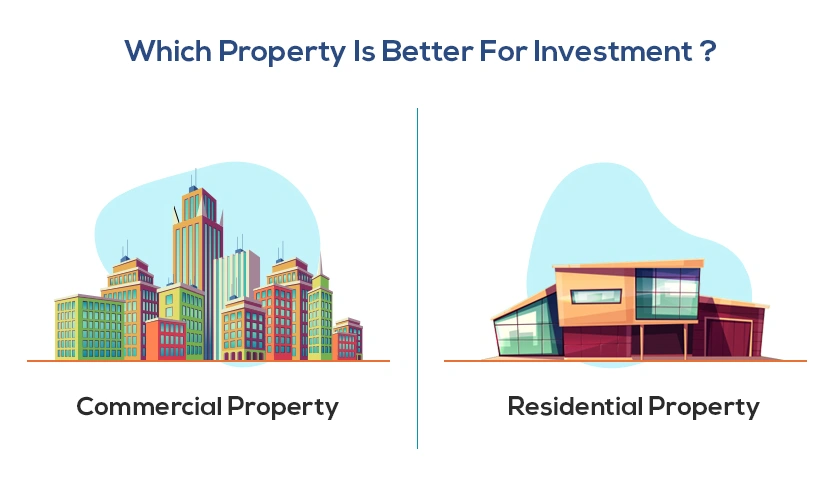
Commercial vs Residential Real Estate Income Explained

Two properties can generate rent every month and still behave like entirely different financial instruments. One depends on personal housing demand and household budgets. The other depends on business revenue, operating margins, and contractual obligations that extend well beyond individual tenants. This distinction explains why commercial and residential real estate often respond differently to economic … Read more

How Leverage Works in Real Estate Investing

A property investor who puts down a fraction of a property’s price can still control 100% of the asset. This arrangement feels intuitive in real estate, yet few buyers stop to calculate how much that control actually costs over time — or how fragile it becomes when assumptions change. Leverage allows investors to spread limited … Read more