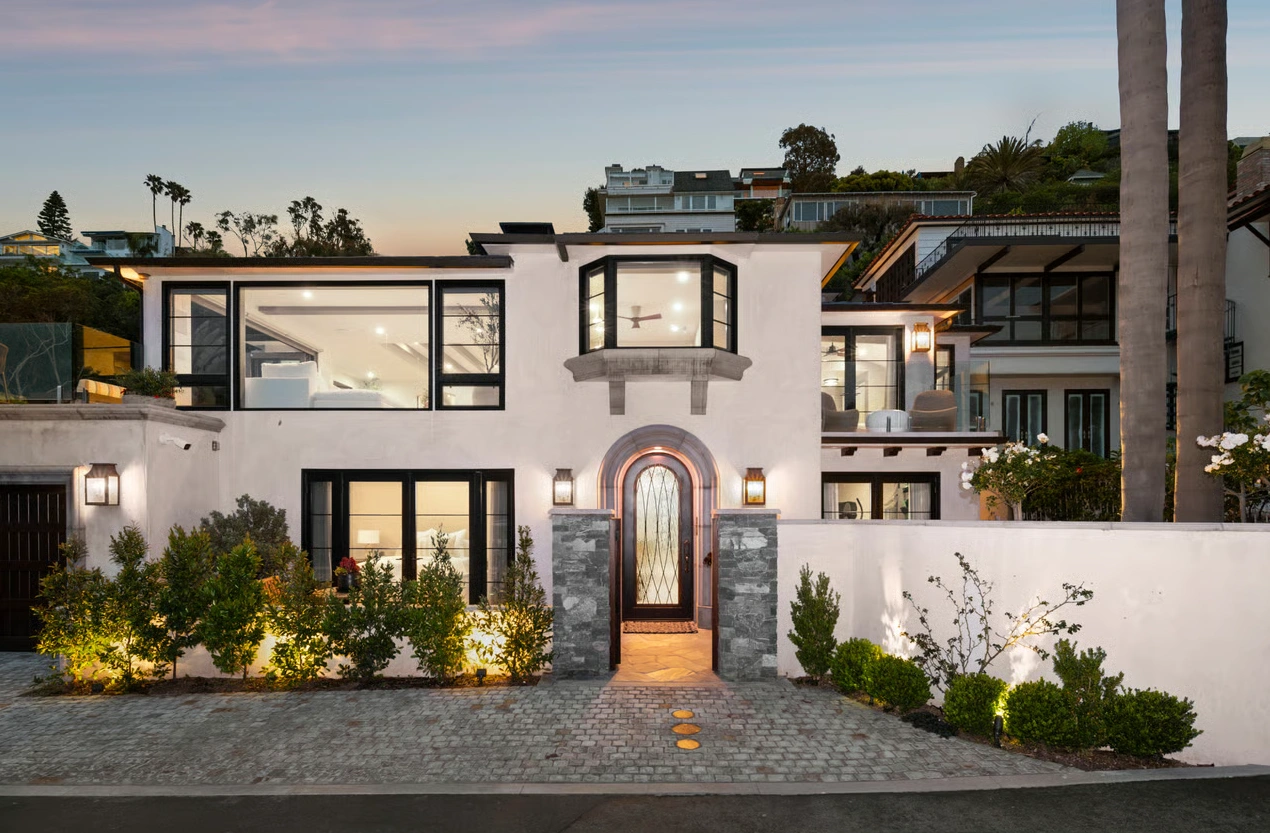
In many housing markets, pricing can often be explained by comparables, interest rates, and affordability thresholds. Luxury real estate does not always behave this way. Two properties with similar size and location can differ dramatically in price — even when rental income or replacement cost offers little justification.
This disconnect leads many buyers to assume luxury pricing is arbitrary or purely emotional. In reality, luxury real estate pricing follows its own set of financial, behavioral, and structural drivers that differ meaningfully from mainstream residential markets.
This article explains what drives pricing in luxury real estate, focusing on how scarcity, capital behavior, risk perception, and long-term ownership costs shape values — often in ways that are not immediately visible to first-time luxury buyers or investors.
How Luxury Real Estate Is Defined in Financial Terms
Luxury real estate is not defined solely by price. From a financial perspective, it is typically characterized by:
-
Limited supply relative to demand
-
High buyer net worth concentration
-
Low dependence on mortgage affordability
-
Strong non-financial utility (privacy, status, lifestyle)
Because luxury buyers are less constrained by income-based lending rules, pricing is less anchored to traditional affordability metrics. This fundamentally changes how value is established and sustained.
Core Factors That Drive Luxury Real Estate Pricing
Scarcity of Truly Comparable Assets
Luxury pricing is heavily influenced by scarcity — not just of land, but of substitute options. A unique view, architectural pedigree, historical significance, or privacy profile cannot be easily replicated.
Unlike standard housing, where comparables are plentiful, luxury assets often exist in thin markets where pricing power is asymmetric.
Buyer Profile and Capital Source
Luxury buyers often purchase with substantial equity or all cash. As a result:
-
Interest rate sensitivity is reduced
-
Transaction timing is more discretionary
-
Emotional and strategic motives carry more weight
Institutions like the Bank for International Settlements note that high-end property markets are more influenced by capital flows than by household income trends.
Location Premiums That Go Beyond Geography
In luxury real estate, “location” is more nuanced than proximity.
Premium pricing often reflects:
-
Privacy and controlled access
-
Prestige signaling
-
Long-term regulatory protection
-
Low probability of future oversupply
Certain micro-locations command durable premiums because they are insulated from zoning changes, infrastructure disruption, or density expansion.
Design, Craftsmanship, and Replacement Cost
Luxury pricing often reflects replacement difficulty, not replacement cost alone.
Key drivers include:
-
Custom architecture and materials
-
Artisan-level craftsmanship
-
Integrated technology and security systems
While these features do not always translate into proportional resale value, they influence buyer willingness to pay when comparable alternatives are unavailable.
Operating Cost and Ownership Structure Effects
Carrying Cost Tolerance
Luxury buyers generally have higher tolerance for:
-
Negative or neutral cash flow
-
High property taxes
-
Maintenance-intensive assets
Because carrying costs represent a smaller share of net worth, they exert less downward pressure on pricing than in mass-market housing.
Ownership Utility Beyond Income
Luxury real estate often delivers non-financial returns:
-
Lifestyle control
-
Capital parking
-
Intergenerational holding
These utilities are difficult to quantify but materially affect pricing behavior.
Market Cycles and Price Resilience
Luxury real estate does not move in lockstep with broader housing markets.
During downturns:
-
Transaction volume often declines sharply
-
Price discovery becomes opaque
-
Sellers with low leverage delay exits
Data from organizations such as the OECD shows that high-end segments can experience longer periods of price stickiness, followed by abrupt repricing when capital sentiment shifts.
Financing Dynamics in the Luxury Segment
Although leverage is less dominant, financing still matters.
Key distinctions include:
-
Greater use of private banking structures
-
Customized loan terms
-
Cross-collateralization with other assets
Central banks like the Federal Reserve highlight that monetary tightening affects luxury markets indirectly, primarily through capital allocation decisions rather than mortgage affordability.
Risks and Misconceptions Buyers Often Miss
Assuming Luxury Is Always Liquid
High prices do not guarantee fast exits. Luxury assets often require longer marketing periods, particularly in uncertain markets.
Overestimating Global Demand
While luxury markets attract international buyers, demand can be sensitive to:
-
Currency controls
-
Tax policy changes
-
Geopolitical uncertainty
Confusing Prestige with Investment Performance
Prestige does not ensure appreciation. Some luxury assets underperform inflation after accounting for carrying and transaction costs.
Practical Ways to Evaluate Luxury Pricing Rationally
Financially disciplined buyers often ask:
-
What drives demand beyond this ownership cycle?
-
How replaceable is this asset, really?
-
Who is the next buyer, and under what conditions?
Documents worth close scrutiny:
-
Historical transaction data
-
Local development restrictions
-
Ongoing maintenance and staffing costs
Luxury pricing rewards patience and selectivity more than optimism.
Frequently Asked Questions
Why do luxury properties ignore standard price metrics?
Because pricing is driven more by scarcity, capital behavior, and buyer psychology than by affordability ratios.
Are luxury properties safer during downturns?
They can be more resilient, but they are also less liquid and harder to reprice quickly.
Does rental income matter in luxury pricing?
Often less so. Many luxury assets are not purchased primarily for yield.
Can luxury real estate be overvalued?
Yes. Thin markets can sustain mispricing longer, but corrections still occur.
Conclusion: Luxury Pricing Reflects Power, Not Just Value
Understanding what drives pricing in luxury real estate requires shifting away from mass-market logic. Prices are shaped by scarcity, capital flexibility, emotional utility, and long-term holding behavior — not just income or comparable sales.
For buyers and investors, clarity comes from recognizing that luxury real estate is as much about who can afford to wait as it is about what the property offers. Misjudging this dynamic can be costly, even at the top end of the market.
