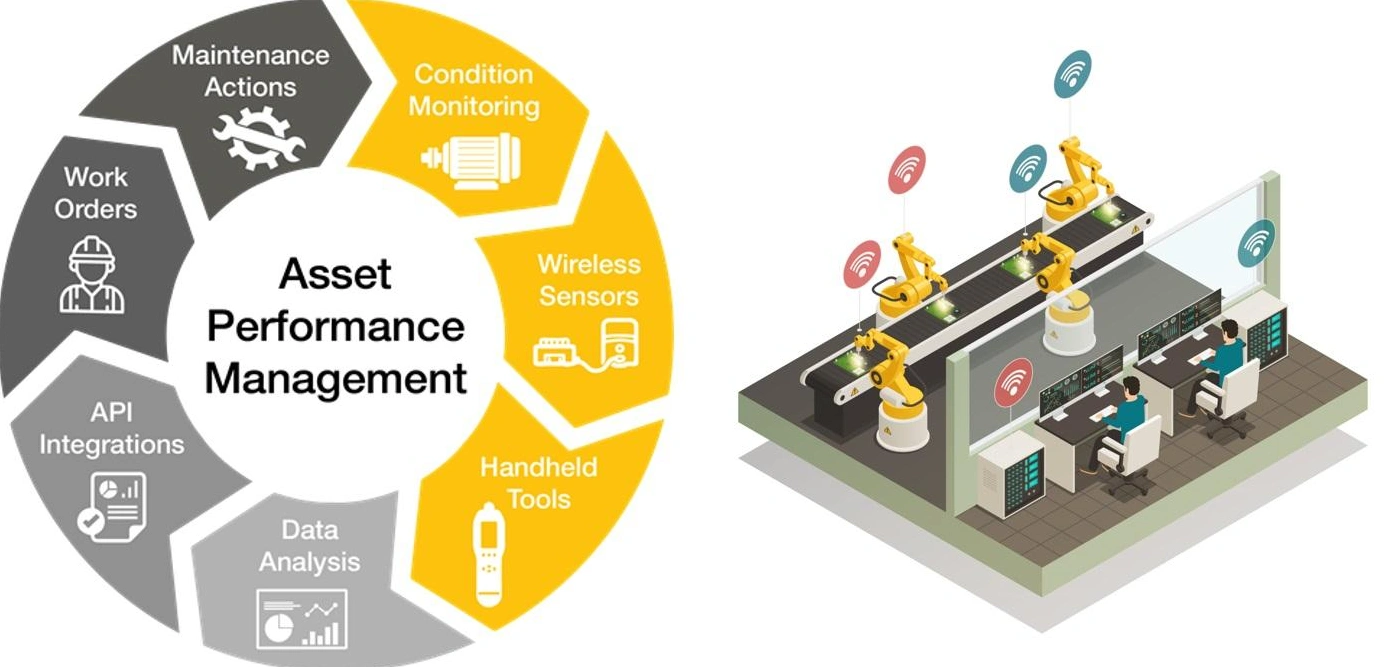
When a property underperforms, many owners first blame the market. Rent growth slows, expenses rise, or tenant turnover increases. Yet closer inspection often reveals a different cause: weak property management quietly eroding performance long before any market shift becomes visible.
Property management rarely changes headlines, but it directly controls the daily decisions that shape cash flow stability, operating costs, tenant quality, and long-term asset condition. Over time, these operational choices influence valuation just as much as location or purchase price.
This article explains how property management affects asset performance, focusing on financial outcomes rather than service quality slogans. The objective is to clarify how management decisions translate into measurable risk, cost, and value changes across a full ownership cycle.
What Asset Performance Means Beyond Market Value
Asset performance in real estate is often reduced to appreciation. From a financial perspective, performance is broader and more practical.
Core performance drivers include:
-
Net operating income consistency
-
Expense predictability
-
Vacancy and tenant turnover rates
-
Capital expenditure timing
-
Financing resilience
Property management sits at the center of these drivers. While markets influence potential, management determines how much of that potential is actually realized.
Why Property Management Has Financial Consequences
Property management is not merely operational support. It functions as a risk control system that affects both income and expenses.
From a lender or institutional investor perspective, management quality influences:
-
Cash flow reliability
-
Debt service coverage stability
-
Probability of deferred maintenance
-
Exit valuation confidence
Financial institutions recognize this link because income volatility increases default and refinancing risk. Central banks such as the Federal Reserve routinely note how operating income stability affects credit performance in property markets.
Key Management Functions That Shape Asset Performance
Revenue Management and Rent Discipline
Management controls pricing execution, not market pricing itself. This distinction matters.
Poor execution often appears as:
-
Below-market rents due to slow adjustments
-
Extended vacancy periods from inefficient leasing
-
Weak enforcement of rent escalation clauses
Over time, small revenue leaks compound. Even modest underpricing can materially reduce net operating income and valuation.
Expense Control and Cost Visibility
Operating expenses rarely remain static. Property management determines how effectively costs are anticipated, monitored, and controlled.
Common performance drags include:
-
Reactive maintenance instead of planned upkeep
-
Vendor contracts that drift above market rates
-
Lack of cost benchmarking
Expense mismanagement affects asset performance twice: directly through higher costs and indirectly by increasing income volatility.
Maintenance Strategy and Capital Timing
Deferred maintenance can temporarily inflate cash flow, but it weakens long-term performance.
Management decisions influence:
-
Timing of major capital expenditures
-
Longevity of building systems
-
Tenant satisfaction and retention
Investors often underestimate how quickly deferred repairs reappear as larger, less flexible expenses.
Tenant Management and Income Stability
Tenant Selection Quality
Tenant mix affects both income durability and operational friction.
Weak screening can lead to:
-
Higher default risk
-
Increased legal and compliance costs
-
Elevated turnover rates
Stable tenants reduce variability, which supports stronger valuation assumptions.
Lease Enforcement and Compliance
Lease agreements only protect cash flow if enforced consistently.
Management failures often include:
-
Inconsistent application of penalties
-
Informal lease modifications
-
Poor documentation practices
Over time, these practices dilute contractual income protections and complicate exit due diligence.
Property Management and Financing Outcomes
Lenders and investors do not evaluate properties in isolation from management realities.
Strong management tends to support:
-
Lower perceived operating risk
-
More favorable financing terms
-
Smoother refinancing processes
Weak management introduces uncertainty that financing models penalize. Global institutions such as the Bank for International Settlements highlight how operational instability magnifies stress during tighter credit conditions.
Cost Structure Implications Over the Holding Period
Short-Term Effects
-
Variability in monthly net income
-
Unexpected repair outlays
-
Increased management oversight costs
Long-Term Effects
-
Accelerated capital replacement cycles
-
Lower exit multiples due to income volatility
-
Reduced buyer confidence during disposition
These effects often remain hidden until a refinancing or sale forces full financial scrutiny.
Common Misunderstandings About Property Management
“Management Only Matters for Troubled Assets”
Well-performing assets often rely on strong management to remain stable. Poor management can degrade even prime properties over time.
“Lower Management Fees Improve Returns”
Lower fees do not always translate into better performance. Under-resourced management can increase hidden costs elsewhere.
“Markets Compensate for Operational Weakness”
Market appreciation does not correct income instability. Data from organizations such as the OECD shows that asset liquidity and pricing weaken quickly when operational fundamentals deteriorate.
Practical Evaluation of Management Impact
Investors assessing property management effectiveness often look beyond surface metrics.
Useful evaluation areas include:
-
Variance between budgeted and actual expenses
-
Tenant retention trends
-
Timing and size of capital expenditures
-
Documentation quality for leases and repairs
Reviewing historical operating statements often reveals management patterns that forecasts miss.
Frequently Asked Questions
Does professional management always improve asset performance?
Not automatically. Outcomes depend on oversight, incentives, and alignment with ownership objectives.
Can poor management reduce property value even in strong markets?
Yes. Income instability and deferred maintenance directly affect valuation assumptions.
How quickly do management issues affect performance?
Revenue and expense impacts can appear within months, while capital deterioration often surfaces over years.
Do lenders evaluate management quality explicitly?
Often indirectly, through income consistency, expense control, and documentation quality.
Conclusion: Management Is a Financial Variable, Not an Operational Detail
How property management affects asset performance becomes clear when performance is viewed through cash flow, cost structure, and risk exposure rather than surface-level metrics.
Management decisions influence not only daily operations, but also financing resilience, capital planning, and exit outcomes. Investors who treat management as a core financial variable — rather than a background function — are better positioned to preserve value across market cycles.
In real estate, strong assets rarely outperform weak management for long.
